
Stud Bolt RFQ for Flange Joints: What Buyers Must Specify
Quick Summary
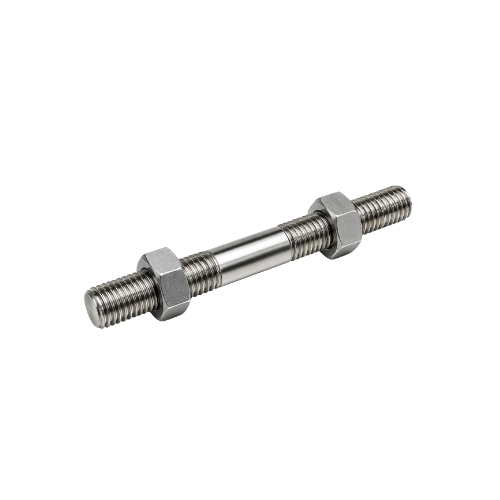
A flange stud order needs the complete bolting assembly: stud pattern, length, thread, two nuts where required, material, service conditions and acceptance documents.
Table of Contents
“Stud bolts for a flange” is a starting point, not a complete purchase description. The wrong nut count or usable length can delay an installation even when the stud diameter is correct.
Start with the controlled flange documents
Identify the flange standard, class, drawing revision and gasket arrangement that govern the joint. The bolting design determines diameter, number of studs and the intended engagement. A supplier can check a quotation against these documents, but should not be asked to infer pressure-boundary design from a sketch.
Define the stud itself
State overall length, diameter, pitch, thread form and the threaded length at each end. Distinguish fully threaded, double-end and tap-end arrangements. Include end chamfers or special markings if the project standard requires them. For a repeated order, use the approved part number as well as the latest drawing revision.
Do not forget matching hardware
Count the nuts per stud and specify nut grade, style and finish. Add washers only when the joint design calls for them. Material and coating substitutions must be reviewed because the complete assembly—not one stud in isolation—must meet the operating temperature, environment and bolting procedure.
Build an acceptance-ready document list
List material certificates, heat or lot traceability, dimensional and thread checks, test reports and third-party inspection when contractually needed. For export, ask that packing labels match the equipment tag and document dossier. This makes the receiving check much easier than opening mixed cartons of similar-looking studs.
A practical example
Consider a flange package with several stud lengths in the same shipment. A carton marked only “M20 studs” is difficult to receive or install safely. Ask for bags or boxes labelled by drawing and equipment tag, with each stud’s nut count and batch documentation traceable. This small procurement detail can prevent a correct part from being fitted in the wrong location.
Before you send the enquiry
Use this short check before you ask for price or delivery. It keeps the quotation tied to your actual engineering requirement.
- Stud configuration and application
- Diameter, pitch and overall length
- Thread length at each end
- Material grade and service temperature
- Matching nuts and finish
- Flange or drawing standard
- Quantity, traceability and test documents
Where to go next
Need product-specific manufacturing or supply information? Use the relevant buying page below, then send your controlled drawing and required document list.
External engineering reference: ISO 898-1 fastener properties reference. This is a research link, not a claim that every Lohar product is certified to the referenced standard. Confirm product-specific compliance in your purchase order.
Key Takeaways
- ▸A flange stud order needs the complete bolting assembly: stud pattern, length, thread, two nuts where required, material, service conditions and acceptance documents.
- ▸Start with the controlled flange documents
- ▸Define the stud itself
Frequently Asked Questions
How many nuts should a flange stud include?+
Follow the approved flange bolting specification; many assemblies use two nuts, but the RFQ should state the exact count.
Can a stud length be chosen from diameter alone?+
No. Flange thickness, gasket, washers, nut engagement and exposed thread requirements all affect length.