
Eye Bolt Manufacturer in India
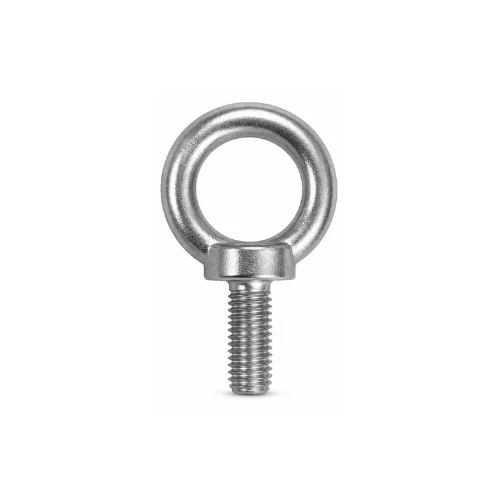
Lohar Forging & Engg. Works manufactures forged eye bolts in Mumbai for lifting, rigging, anchoring and industrial assembly requirements. Buyers can specify material, thread, finish, quantity and the applicable inspection or documentation requirement.
Since 2007
Manufacturing experience
Mumbai
Workshop location
SS / MS
Material options
Custom
Drawing-based supply
Quick answer
What is an eye bolt?
An eye bolt is a threaded fastener with a closed loop at one end for accepting a hook, shackle, rope or chain. The correct design depends on the load direction, thread engagement, base material and intended application. Forged eye bolts provide a continuous metal form around the eye and are commonly specified for demanding industrial service.
Types of eye bolts we manufacture
Select the configuration only after confirming how the load will be applied and what documentation the project requires.
Shoulder Eye Bolt
A collared design used where an engineered angular-load application is permitted. Exact capacity and permissible angle must follow the rated product data.
Plain Eye Bolt
A non-shoulder pattern generally intended for in-line pull or non-lifting anchoring duties, subject to the approved specification.
Swivel Eye Bolt
A rotating lifting-point design intended to align with changing load direction when selected and installed to its certified rating.
Machinery Eye Bolt
Threaded lifting or handling points for machine frames, dies and equipment where engagement depth and base material are verified.
Eye Bolt with Nut
A through-bolt arrangement supplied with a matching nut for structural, timber, fabrication or anchoring applications.
Custom Forged Eye Bolt
Drawing-based shank length, thread, eye geometry, material and finish for OEM, fabrication and project requirements.
From enquiry to dispatch
How forged eye bolts are planned and manufactured
A dependable eye bolt starts with an application review, not simply a thread-size request. The manufacturing route, inspection plan and documents should be agreed before production so that the supplied component matches its intended duty.
- 01
Application review
We begin with the product drawing or dimensional requirement, maximum load, load direction, mating thread, base material, environment, quantity and governing project specification. Missing inputs are clarified before the commercial and technical offer is finalised.
- 02
Design and standard check
The requested geometry is compared with the relevant standard or customer drawing. Eye diameter, shoulder form, under-head seating, shank length, thread engagement and marking space are reviewed together because changing one dimension can affect the complete load path.
- 03
Material route
The material grade and starting stock are selected for strength, forgeability, corrosion exposure, heat treatment and traceability. When certification is required, the purchase and production route must preserve the link between the material heat, batch and finished parts.
- 04
Forging and forming
Material is cut and formed using the approved hot- or cold-forging sequence for the selected design. The objective is repeatable eye geometry, controlled section thickness and a sound transition between eye, shoulder and threaded shank.
- 05
Machining and threading
Bearing faces, shoulders and thread features are machined or rolled to the approved tolerance. Gauging verifies thread form and fit, while dimensional checks cover eye opening, shank, seating face and overall geometry.
- 06
Finish, inspection and dispatch
Parts receive the specified cleaning, stainless finish, zinc process, galvanising or coating. Final inspection, agreed testing, identification, document review and packing are completed before the batch is released for dispatch.
Eye bolt material selection guide
Material choice should balance mechanical duty, corrosion exposure, temperature, compatibility, maintenance and total installed cost. The grade name alone does not establish a working-load rating.
Stainless Steel 316 / 316L
Often considered for marine, coastal, wash-down and chloride-prone environments. The exact grade, surface condition and fabrication route should be checked against corrosion severity and any low-carbon welding requirement. Common consideration: coastal and corrosive service
Stainless Steel 304
A general corrosion-resistant option for indoor, food-processing and moderate outdoor conditions where chloride exposure is controlled. It should not automatically replace SS 316 in marine or chemical duties. Common consideration: general stainless applications
Mild / Carbon Steel
Provides a practical strength and cost route for machinery, fabrication and construction. Protection may include zinc plating, hot-dip galvanising or another specified coating, with allowance for coating and thread fit. Common consideration: industrial and infrastructure use
Alloy Steel
Used where higher strength, compact geometry or demanding cyclic duty is required. Heat treatment, hardness, proof testing, marking and hydrogen-embrittlement controls may form part of the approved quality plan. Common consideration: high-strength engineered lifting points
Technical comparison
Plain vs shoulder vs swivel eye bolts
These configurations are not interchangeable. Use the comparison as an enquiry guide only; final selection must follow the rated product data and an engineered lifting or anchoring plan.
| Selection factor | Plain eye bolt | Shoulder eye bolt | Swivel lifting point |
|---|---|---|---|
| Typical load alignment | Generally considered for a controlled in-line pull or non-lifting anchor duty. | Designed with a seating shoulder; angular use is permitted only within its certified instructions. | Rotates or pivots to align with permitted load direction within its rated envelope. |
| Installation priority | Correct axial alignment, adequate thread engagement and full contact are essential. | Shoulder must seat fully on a suitable flat bearing surface without packing that defeats the design. | Base, torque, rotation clearance and freedom from obstruction must be verified. |
| Common sourcing error | Selecting by thread diameter alone or applying side load to an unrated design. | Assuming every shouldered pattern has the same angular capacity or derating. | Using rotation as a substitute for checking capacity, edge loading or interference. |
| Information to request | Material, dimensions, thread, intended duty and rated data where applicable. | Certified rating by direction, installation instructions, marking and test documents. | Certified multidirectional rating, torque instruction, inspection criteria and replacement guidance. |
Quality and traceability
Inspection, certification and E-E-A-T evidence
For industrial buyers, trust comes from verifiable batch information rather than broad marketing claims. State the required inspection documents at enquiry stage so that the production and supply route can support them.
- ✓ Incoming material identity and certificate review can be linked to the production batch when traceability is specified.
- ✓ Dimensional inspection may cover thread gauges, eye opening, shoulder, seating face, shank length and drawing-specific tolerances.
- ✓ Surface finish or coating records can be agreed for stainless preparation, zinc plating, galvanising or project coatings.
- ✓ Proof-load, mechanical or non-destructive testing is supplied only when applicable to the design and included in the agreed inspection plan.
- ✓ Packing lists, batch identification and export documents are checked against the purchase requirement before release.
Technical overview
Eye bolt specifications
| Parameter | Available / project-specific options |
|---|---|
| Product standards | DIN 580, ISO 3266, IS or ASME requirements can be reviewed when stated on the enquiry; final compliance is confirmed on the quotation and certificate. |
| Thread options | Metric coarse/fine and selected imperial threads; size and tolerance are confirmed against drawing or purchase specification. |
| Materials | SS 304, SS 316/316L, mild steel, carbon steel and alloy steel subject to size, quantity and application. |
| Surface finish | Self-colour, zinc plated, hot-dip galvanised, stainless finish or project-specified coating. |
| Manufacturing | Forging, machining and thread rolling/cutting route selected for the approved design. |
| Inspection documents | Material certificate, dimensional report, traceability and load-test documentation when agreed before order. |
| Supply format | Individual eye bolts, matching nuts where applicable, production batches and export packing. |
Engineering and safety note: Dimensions, material grades, loads, torque values and standards must be confirmed for the exact product, installation and duty. Do not select safety-critical hardware solely from general website information.
How to specify the right eye bolt
The keyword or nominal diameter alone is not enough. Safe selection starts with the actual load path and installation detail.
Load direction
State whether pull is axial, angular, rotating or multi-directional and provide the maximum design load.
Thread engagement
Provide tapped-hole material, engagement depth, thread pitch and available bearing surface.
Environment
Identify marine, coastal, chemical, outdoor, high-temperature or corrosive exposure.
Verification
Request the applicable batch certificate, inspection, marking and proof-test requirement before production.
Eye bolt applications by industry
Marine & Shipbuilding
Deck fittings, equipment handling, hatch lifting and corrosion-resistant anchoring.
Construction
Precast handling points, formwork, fabrication and temporary or permanent anchoring.
Oil & Gas
Equipment, skid, vessel and maintenance handling subject to project specifications.
Power & Machinery
Motors, dies, machine frames, transformers and planned maintenance lifting points.
Material Handling
Rigging interfaces, fixtures, lifting beams and engineered handling assemblies.
Food & Process
Stainless handling points for equipment where hygiene and corrosion resistance matter.
Why buyers contact Lohar Forging
Application-led review
The team reviews size, loading, material and finish rather than quoting from a product name alone.
Multiple material routes
Stainless, mild-steel, carbon-steel and alloy options can be assessed against service conditions.
Custom manufacturing
Non-standard threads, shank lengths and eye geometry can be reviewed from a drawing or sample.
Inspection planning
Required certificates and tests can be agreed before order instead of being treated as an afterthought.
Export coordination
Packing, documentation and delivery requirements can be included in the commercial review.
Direct communication
Buyers can discuss technical and quantity details with the Mumbai team before final selection.
Frequently Asked Questions
What is the difference between a forged and welded eye bolt?+
A forged eye bolt is formed as an integral component, while a fabricated pattern may use bent material and a welded joint. Suitability depends on the applicable design, rating, inspection and standard; overhead-lifting hardware should be selected only from certified product data.
Can an eye bolt be used for angular lifting?+
Only a design specifically rated for the intended angular load should be used. A shoulder does not automatically make every installation safe. Confirm load angle, derating, thread engagement and base material against the manufacturer’s certificate and the lift plan.
Which material is suitable for a marine environment?+
SS 316 or another project-approved corrosion-resistant grade is commonly considered for chloride exposure, but the final grade must reflect corrosion severity, strength, temperature, compatibility and maintenance requirements.
Can you manufacture non-standard eye bolts?+
Yes. Send the drawing or specify thread, shank length, eye dimensions, material, finish, quantity and application. Feasibility and inspection requirements will be confirmed on quotation.
What documents can be supplied?+
Depending on the agreed order, documents may include material certificates, dimensional inspection, traceability, coating records and load-test documentation. State mandatory documents in the enquiry.
How much thread engagement does an eye bolt need?+
Required engagement depends on thread size, material strength, base material, load, thread form and the applicable design instruction. A rule of thumb is not a substitute for checking the certified product instructions and the strength of the tapped component.
What is the difference between an eye bolt and an eye nut?+
An eye bolt has an externally threaded shank and normally screws into a tapped component or passes through a hole. An eye nut has an internally threaded body and screws onto a stud or threaded shaft. Both require application-specific rated data when used for lifting.
What should an eye bolt drawing include?+
Show the thread, shank length, eye inside and outside diameters, shoulder and seating dimensions, material, finish, tolerances, marking, quantity, applicable standard and required inspection documents. Also state the intended load direction and duty.
Get a project-specific quotation
Share size, drawing, material, finish, quantity, documentation and delivery requirements for technical review.
Quick Summary
Lohar Forging manufactures forged eye bolts in Mumbai for lifting, rigging, anchoring and industrial assembly. Selection is reviewed against material, thread, load direction, environment and documentation requirements.
Key Takeaways
- ▸Forged eye bolt options in stainless steel, mild steel, carbon steel and alloy steel
- ▸Shoulder, plain, swivel, machinery and custom configurations
- ▸Drawing-based production and project-specific inspection planning
Frequently Asked Questions
What is the difference between a forged and welded eye bolt?+
A forged eye bolt is formed as an integral component, while a fabricated pattern may use bent material and a welded joint. Suitability depends on the applicable design, rating, inspection and standard; overhead-lifting hardware should be selected only from certified product data.
Can an eye bolt be used for angular lifting?+
Only a design specifically rated for the intended angular load should be used. A shoulder does not automatically make every installation safe. Confirm load angle, derating, thread engagement and base material against the manufacturer’s certificate and the lift plan.
Can you manufacture non-standard eye bolts?+
Yes. Send the drawing or specify thread, shank length, eye dimensions, material, finish, quantity and application. Feasibility and inspection requirements will be confirmed on quotation.
Which material is suitable for a marine environment?+
SS 316 or another project-approved corrosion-resistant grade is commonly considered for chloride exposure, but the final grade must reflect corrosion severity, strength, temperature, compatibility and maintenance requirements.
What documents can be supplied?+
Depending on the agreed order, documents may include material certificates, dimensional inspection, traceability, coating records and load-test documentation. State mandatory documents in the enquiry.
How much thread engagement does an eye bolt need?+
Required engagement depends on thread size, material strength, base material, load, thread form and the applicable design instruction. A rule of thumb is not a substitute for checking the certified product instructions and the strength of the tapped component.
What is the difference between an eye bolt and an eye nut?+
An eye bolt has an externally threaded shank and normally screws into a tapped component or passes through a hole. An eye nut has an internally threaded body and screws onto a stud or threaded shaft. Both require application-specific rated data when used for lifting.
What should an eye bolt drawing include?+
Show the thread, shank length, eye inside and outside diameters, shoulder and seating dimensions, material, finish, tolerances, marking, quantity, applicable standard and required inspection documents. Also state the intended load direction and duty.