
D Shackle & Bow Shackle Manufacturer in India
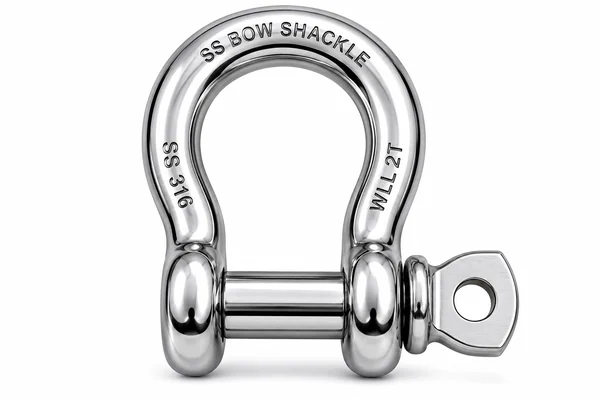
A D shackle and bow shackle manufacturer enquiry starts with the connection layout. The body shape affects the available internal width and how the rigging fits, while the approved rating and loading instructions govern actual use.
Straight answer
What buyers should know first
A D shackle has a narrower, more elongated body; a bow shackle has a broader curved body. That description helps identify geometry, but it is not a blanket rule for load capacity or multi-leg suitability. Send the intended connection, sling width, load direction, working load limit and pin arrangement so the correct rated configuration can be reviewed.
Product scope
Available configurations and intended use
The decision includes body geometry, nominal size, pin style, pin-retention method, material and finish. Screw-pin and bolt-type closures have different installation and security considerations. Stainless is a material choice rather than a third body geometry; buyers focused on stainless grade and corrosion evidence should use the dedicated SS shackle page.
Engineering selection
How to specify the right part
Sketch the actual load path and confirm the line of pull, connection thickness, pin diameter and clearance for the connected sling or fitting. Ask whether side loading, vibration, frequent removal or long-term installation is expected. Use the selected product’s published instructions for any de-rating; never assume a larger-looking bow has a higher rating.
Technical analysis
The detail that changes the buying decision
The practical comparison is connection geometry. A bow may accommodate a wider connection, while a D shape may suit a narrower in-line arrangement; neither is automatically approved for every loading angle. The body and pin form one rated assembly. Substituting a pin from another size or model can change fit and safety even when it appears to thread correctly.
Manufacturing review
From drawing to an agreed specification
The RFQ is reviewed against an approved drawing or specific catalogue model. Material, forming or forging route, pin fit, machining, finish and inspection criteria must be agreed before a custom design is released. For lifting service, product-level proof, marking and applicable acceptance requirements must be specified; we do not assign a rating from a photograph.
Evidence and inspection
What quality documentation to request
Request clear WLL and identification markings for a rated product, compatible pin documentation, dimensional checks and any required test records. Before use, inspect for distortion, wear, corrosion, damaged threads and insecure retention. Quarantine an unmarked or altered shackle until its status is resolved by the responsible inspector.
International procurement
Information overseas buyers should send
International buyers should include their destination rules, standard edition, load units, certificate format, traceability and packing instructions. If shackles are part of a kit, list each body and pin by item identifier so receiving teams do not mix components.
Ready to enquire?
Technical RFQ checklist
A complete first enquiry helps us discuss fit, supply scope and documentation without guessing.
- ✓ D or bow body shape and drawing
- ✓ Rated duty and WLL
- ✓ Load direction and connected sling width
- ✓ Pin diameter, type and retention
- ✓ Material and corrosion environment
- ✓ Marking, inspection and test documents
- ✓ Quantity, packing and destination
Related product families
Choose the page that matches the component, rather than treating different fasteners as interchangeable.
Related buying guides
For a deeper answer to a specific engineering question, start here.
Engineering reference
For specification research, see OSHA 1926.251 — rigging equipment reference (US). This external reference does not mean that every listed product is certified to it. Confirm the applicable edition, product rating and required documents in your approved purchase specification.
Frequently asked buyer questions
Is a bow shackle always stronger than a D shackle?+
No. Capacity belongs to the exact rated product and its permitted loading conditions. Shape alone cannot establish working load limit.
Can I use a screw pin for a permanent or vibrating connection?+
Only if the chosen rated product and site procedure allow that retention method. Provide the duty and ask for the approved pin and securing arrangement.
Does stainless steel decide whether I need a D or bow body?+
No. Stainless grade addresses material and corrosion needs; D versus bow addresses connection geometry. Both choices must be specified.
Should I use a D shackle or a bow shackle?+
Choose from the connection geometry and the selected product’s approved rating. A D body is narrower; a bow offers more internal width. Confirm the sling fit, load direction and pin retention before ordering.
Quick Summary
D and bow shackles are different body geometries. Select the rated assembly by load path, width, pin and permitted loading—not by appearance alone.
Key Takeaways
- ▸D or bow body shape and drawing
- ▸Rated duty and WLL
- ▸Load direction and connected sling width
- ▸Pin diameter, type and retention