Stainless Shackle Grade and Corrosion: Buyer Questions
Quick Summary
Stainless steel is a material choice, not a lifting rating. Specify exposure, body and pin grade, connection geometry, WLL and inspection evidence separately.
Table of Contents
A shiny stainless shackle can look reassuring, but appearance does not identify the alloy or the safe load. The useful questions are about exposure, load path and product-level evidence.
Describe the exposure
Tell the supplier whether the shackle sees outdoor weather, salt spray, washdown, chemicals or stagnant moisture. Corrosion behaviour depends on the actual grade, surface condition and crevices. A broad “SS” line in an RFQ does not define enough for a responsible material discussion.
Check body and pin as a pair
The pin is part of the assembled connection. Ask whether its material and finish match the specified body, and whether the pin retention suits vibration or frequent removal. Mixed components from different models should not be combined merely because the threads appear to fit.
Separate material from geometry and rating
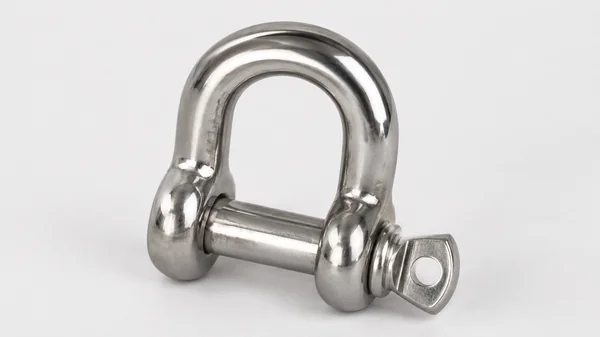
A D body and a bow body serve different connection shapes; both can be made from stainless steel. For lifting, use the selected model’s marked working load limit and permitted loading directions. A stainless grade or larger body outline is not an alternative to a rated design.
Evidence worth requesting
Ask for material identification, marked WLL where applicable, dimension and pin-fit checks, and the specific test documentation required by your site. Make inspection access part of the selection decision: corrosion, wear and pin security have to be visible over the product’s service life.
A practical example
A marine buyer may ask for “stainless shackles” because of salt exposure. The next question should be the exact service conditions: splash, permanent wetting, cleaning chemicals and inspection access are not the same. The buyer should also confirm the pin material and rated duty. Do not choose a shackle by a stainless label alone, especially where a lifting plan is involved.
Before you send the enquiry
Use this short check before you ask for price or delivery. It keeps the quotation tied to your actual engineering requirement.
- D or bow body geometry
- SS grade or alternative material
- WLL, loading direction and duty
- Pin type and retention method
- Sling/rope size and clearances
- Rating, marking and test documents
- Quantity, packing and destination
Where to go next
Need product-specific manufacturing or supply information? Use the relevant buying page below, then send your controlled drawing and required document list.
External engineering reference: OSHA rigging equipment requirements (US). This is a research link, not a claim that every Lohar product is certified to the referenced standard. Confirm product-specific compliance in your purchase order.
Key Takeaways
- ▸Stainless steel is a material choice, not a lifting rating. Specify exposure, body and pin grade, connection geometry, WLL and inspection evidence separately.
- ▸Describe the exposure
- ▸Check body and pin as a pair
Frequently Asked Questions
Are all stainless shackles rated for lifting?+
No. Require a rated product with appropriate marking, instructions and documents for the intended duty.
Does stainless steel mean maintenance-free?+
No. Stainless components still need inspection and may corrode in unsuitable environments or crevices.