
D Shackle vs Bow Shackle: Shape, Pin and Load Path
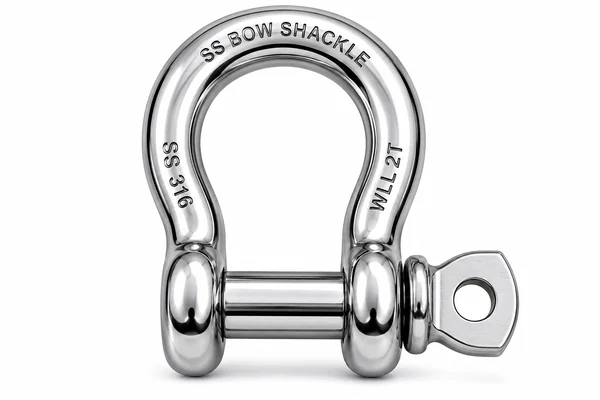
Quick Summary
D and bow describe shackle body geometry, not capacity. The correct choice depends on the connection width, line of pull, pin retention and the exact rated product.
Table of Contents
If both shackles carry the same nominal size, why do they have different bodies? The answer is connection geometry. Safe selection still comes from the marked product and its instructions.
Look at the space inside the body
A D shackle has a narrower profile; a bow shackle provides more internal width for some connections. That can change how a sling or fitting seats. Before picking either, measure the connected component and confirm the pin diameter and throat clearance on the actual model.
Draw the load path
Show the direction of pull and any possible side loading. Do not infer allowable angles from the body shape alone. The chosen shackle’s instructions and rating must cover the load direction, and the sling or connecting hardware must also be suitable. A shackle can be oversized dimensionally yet unsuitable for the arrangement.
Choose pin retention deliberately
A screw pin may suit a connection that is assembled and removed regularly; other retention arrangements may be specified for different duties. Vibration, long-term installation and site procedures can change the answer. Never borrow a pin from a similar-looking shackle without confirming it is the correct matched component.
Make the RFQ unambiguous
Specify D or bow, material, nominal dimensions, working load limit, load direction, pin type, quantity and documents. A photo can help illustrate fit, but the order should still identify the controlled product or drawing. Inspect wear, deformation, corrosion and pin security before use.
A practical example
Picture a wide fabric sling connected to a narrow D body. The pin may fit, yet the sling could crowd the body and change the way it bears. A bow shape may provide space, but only the chosen model’s instructions can confirm permitted loading. Put the connection dimensions and line of pull on the RFQ instead of asking the supplier to choose from the names “D” and “bow”.
Before you send the enquiry
Use this short check before you ask for price or delivery. It keeps the quotation tied to your actual engineering requirement.
- D or bow body shape and drawing
- Rated duty and WLL
- Load direction and connected sling width
- Pin diameter, type and retention
- Material and corrosion environment
- Marking, inspection and test documents
- Quantity, packing and destination
Where to go next
Need product-specific manufacturing or supply information? Use the relevant buying page below, then send your controlled drawing and required document list.
External engineering reference: OSHA rigging equipment requirements (US). This is a research link, not a claim that every Lohar product is certified to the referenced standard. Confirm product-specific compliance in your purchase order.
Key Takeaways
- ▸D and bow describe shackle body geometry, not capacity. The correct choice depends on the connection width, line of pull, pin retention and the exact rated product.
- ▸Look at the space inside the body
- ▸Draw the load path
Frequently Asked Questions
Is a bow shackle always safer for two sling legs?+
No. Use the specific rated design and its instructions; body width alone does not approve a multi-leg arrangement.
Can D and bow shackles share a pin?+
Do not assume so. A pin must be approved for its exact shackle body and rating.