
Lifting Hook Inspection and RFQ Questions for Buyers
Quick Summary
A shank hook must match its mounted assembly and rated duty. Inspect throat, latch, shank, marking and documentation; never infer capacity from shape or an MS label.
Table of Contents
A hook is easy to recognise and easy to oversimplify. The body, shank connection and connected block work together, so a useful RFQ begins with the complete lifting arrangement.
Specify the installed connection
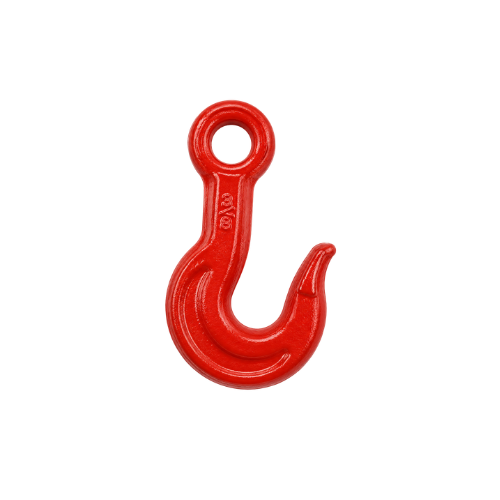
State shank diameter and length, retention method, whether the hook must swivel, the block or mounting drawing, throat opening and the sling or chain to be connected. An eye hook uses a different attachment geometry and should not be substituted just because its bowl looks similar.
Confirm rated duty and marking
For lifting service, request the exact design’s working load limit, allowed use, identification marking and product-level documents. “Forged” and “MS” are descriptions, not ratings. The competent designer or lifting team must confirm that the entire assembly suits the load and duty cycle.
Inspect the parts that change
Look for throat opening growth, twist, wear, cracks, corrosion, damaged shank threads and a latch that does not work as intended. A latch helps retain a slack connection; it does not carry the rated load. Use the site procedure and product instructions for inspection frequency and rejection limits.
Make the quotation verifiable
Attach the controlled drawing, load requirement, material and finish, quantity, required testing and certificate format. If the hook is one element of a supplied block, identify who is responsible for assembly-level proof and final marking. Protect the hook point and latch in shipping.
A practical example
Suppose a replacement hook has the same throat width as the old one but a different shank length. It may not seat or retain correctly in the existing block. The buyer should send the mounting drawing and rated-duty requirement, not only a front-view photograph. Until the complete assembly is verified and the required marking and documents are available, it should not be treated as an equivalent lifting component.
Before you send the enquiry
Use this short check before you ask for price or delivery. It keeps the quotation tied to your actual engineering requirement.
- Hook type and mounting assembly
- Required WLL and duty
- Shank diameter, length and retention
- Throat opening and bowl dimensions
- Latch and swivel requirements
- Material, finish and inspection
- Quantity, certificate and destination
Where to go next
Need product-specific manufacturing or supply information? Use the relevant buying page below, then send your controlled drawing and required document list.
External engineering reference: OSHA rigging equipment requirements (US). This is a research link, not a claim that every Lohar product is certified to the referenced standard. Confirm product-specific compliance in your purchase order.
Key Takeaways
- ▸A shank hook must match its mounted assembly and rated duty. Inspect throat, latch, shank, marking and documentation; never infer capacity from shape or an MS label.
- ▸Specify the installed connection
- ▸Confirm rated duty and marking
Frequently Asked Questions
Does a safety latch increase hook capacity?+
No. Capacity comes from the rated load-bearing design and approved assembly.
Can any mild-steel hook be used overhead?+
No. Only a hook specifically rated and documented for the intended lifting duty should be used.